This Land Is Mine from Nina Paley on Vimeo.
-- From vimeo-- https://vimeo.com/50531435Saturday, February 17, 2024


Thursday, February 15, 2024
Unusual Place where Millions of Characters from Literature Exist and Interact
Somewhere, characters from countless selections of literature and media exist and interact.
 Making educated guesses based upon your chosen individuals from novels, movies, etc., take us on a mystery tour of their conversations, actions, and views.
To write your adventure, assume your main character's 1st-person point-of-view, though any other point-of-view would also be fine. (Mention each title in brackets or parentheses).
Place the interacting characters in a particular novel or real-life setting.
Another fascinating possibility is to have them talk and interact with actual famous individuals of human history or the present.
For instance, Huck Finn (Mark Twain's novel) and Wolf Larsen (Jack London's The Sea Wolf) meet John Proctor (the real individual of history or the fictional character in Arthur Miller's The Crucible) one of the falsely accused at the Salem Witchcraft Trials.
Playing around with time and space is a possible option, too.
What if Europeans didn't discover the Americas?!
Or what happens if a current American political leader shows up in 1859 and meets Rhett Butler and Scarlett O'Hara (Margaret Mitchel's Gone with the Wind)?
The possibilities in this imaginative literary lounge are limitless:-)
In the Light,
-Dan Wilcox

To write your adventure, assume your main character's 1st-person point-of-view, though any other point-of-view would also be fine. (Mention each title in brackets or parentheses).
Place the interacting characters in a particular novel or real-life setting.
Another fascinating possibility is to have them talk and interact with actual famous individuals of human history or the present.
For instance, Huck Finn (Mark Twain's novel) and Wolf Larsen (Jack London's The Sea Wolf) meet John Proctor (the real individual of history or the fictional character in Arthur Miller's The Crucible) one of the falsely accused at the Salem Witchcraft Trials.
Playing around with time and space is a possible option, too.
What if Europeans didn't discover the Americas?!
Or what happens if a current American political leader shows up in 1859 and meets Rhett Butler and Scarlett O'Hara (Margaret Mitchel's Gone with the Wind)?
The possibilities in this imaginative literary lounge are limitless:-)
In the Light,
-Dan Wilcox
Wednesday, January 31, 2024
Friend Brinton’s insightful study of the Quaker Movement in the last 300 years, how the Society has 4 different emphases
Currently, in the U.S. and many other nations (and in various ideological or religious movements in history), most humans seem given to extremes and fragmentation.
This leaves us often divisive, unbalanced, and distorted in our quest for truth.
As Howard H. Brinton insightfully explains in Friends for 300 Years this divisiveness and fragmentation even happens to good renewal movements such as the Friends, who came into being for the very purpose of regaining wholistic truth and avoiding all destructive tendencies of human history.
"Through the three centuries of Quaker history the four primary elements present in all religion have at different times exerted their influence in varying degrees."
-Brinton

Mystic Inner Life
Evangel Outreach
Social Justice
Rationalism
From 1650 to about 1750, mysticism and evangel outreach were in balance in the group as a whole though some individuals tended to stress one or the other.
But then mysticism and evangelicalism became a major conflict, each pressing the other to bad extremes among Quakers as a whole.
By the 1800’s, Quietism, (an excessive focus on mysticism—the inner life) became dominant, and the early expressive evangel preaching and sharing of truth with those outside of the society greatly receded.
Instead, the Friends became “a peculiar society” which besides their “inner life” focused on exclusive boundaries and rigid rules.
Exactly the Opposite of the Early Friends who emphasized the CENTER, not exclusion and conformity to outward rules and dress.
During the latter half of the 20th century and the 1st 23 years of the 21st, rationalism and social justice took over and have assumed greater prominence,
(except for a few fundamentalist Friends who have abandoned the key points of the Society and, instead, inserted-asserted Reformed theology, the exact opposite of ALL that Quakerism means)!
Brinton:
"The best type of religion is one in which the mystical, the evangelical, the rational and the social are so related that each exercises a restraint on the others. Too exclusive an emphasis on mysticism results in a religion which is individualistic, subjective and vague."
Too dominant an evangelicalism results in religion which is authoritarian, creedal and external; too great an emphasis on rationalism results in a cold, intellectual religion which appeals only to the few.
Too engrossing a devotion to the social justice results in a religion which, in improving the outer environment, ignores serious defects of the inner life which cause the outer disorders.
Brinton also goes on to warn against "vitalism which worships the life-force in its biological sense" which has very little in common with the central message of the Early Friends.
My response to Brinton's excellent analysis: About the only point where I disagree with Brinton is when he says the 4 qualities "each exercise a restraint on the others."
No--and that sounds too negative--it is rather that when Most bathed in the Light, the 4 parts of true transcendental reality relate/commune, giving a redeeming uplifting of each other and are the Seed of true moral and spiritual becoming.
Read Friends for 300 Years (or the updated version, Friends for 350 Years) and be not only intellectually enlightened, but raised up in the LIGHT!
Friend on the edge, Daniel
This leaves us often divisive, unbalanced, and distorted in our quest for truth.
As Howard H. Brinton insightfully explains in Friends for 300 Years this divisiveness and fragmentation even happens to good renewal movements such as the Friends, who came into being for the very purpose of regaining wholistic truth and avoiding all destructive tendencies of human history.
"Through the three centuries of Quaker history the four primary elements present in all religion have at different times exerted their influence in varying degrees."
-Brinton
Mystic Inner Life
Evangel Outreach
Social Justice
Rationalism
From 1650 to about 1750, mysticism and evangel outreach were in balance in the group as a whole though some individuals tended to stress one or the other.
But then mysticism and evangelicalism became a major conflict, each pressing the other to bad extremes among Quakers as a whole.
By the 1800’s, Quietism, (an excessive focus on mysticism—the inner life) became dominant, and the early expressive evangel preaching and sharing of truth with those outside of the society greatly receded.
Instead, the Friends became “a peculiar society” which besides their “inner life” focused on exclusive boundaries and rigid rules.
Exactly the Opposite of the Early Friends who emphasized the CENTER, not exclusion and conformity to outward rules and dress.
During the latter half of the 20th century and the 1st 23 years of the 21st, rationalism and social justice took over and have assumed greater prominence,
(except for a few fundamentalist Friends who have abandoned the key points of the Society and, instead, inserted-asserted Reformed theology, the exact opposite of ALL that Quakerism means)!
Brinton:
"The best type of religion is one in which the mystical, the evangelical, the rational and the social are so related that each exercises a restraint on the others. Too exclusive an emphasis on mysticism results in a religion which is individualistic, subjective and vague."
Too dominant an evangelicalism results in religion which is authoritarian, creedal and external; too great an emphasis on rationalism results in a cold, intellectual religion which appeals only to the few.
Too engrossing a devotion to the social justice results in a religion which, in improving the outer environment, ignores serious defects of the inner life which cause the outer disorders.
Brinton also goes on to warn against "vitalism which worships the life-force in its biological sense" which has very little in common with the central message of the Early Friends.
My response to Brinton's excellent analysis: About the only point where I disagree with Brinton is when he says the 4 qualities "each exercise a restraint on the others."
No--and that sounds too negative--it is rather that when Most bathed in the Light, the 4 parts of true transcendental reality relate/commune, giving a redeeming uplifting of each other and are the Seed of true moral and spiritual becoming.
Read Friends for 300 Years (or the updated version, Friends for 350 Years) and be not only intellectually enlightened, but raised up in the LIGHT!
Friend on the edge, Daniel
Tuesday, January 30, 2024
AWAKE to SEEK
Awake to Seek
Wake
Up and suit yourself,
Into the floundering pattern-mudded
Consciousness of this our finite skin---
Into a being 'berthed' bemused, beseemed morning
So like the proverbial hog, boar or sow of the round ring
Who as life's suitors get caught by our snouted 'knows;'
Beshrewed, besotted, bemired so we instinctively grunt,
Tempted by our sensual, careening awareness
Or our dutiful grindstoned routine,
We press our life's suit 'til evening
Or wallow down
To our suited Wake.
1st pub. in Moria Poetry
--
in the time of Darkness
to commune with the Transcendently Real
in the midst of our utter loss
in the darkened night of alone
to contemplate despite a soon demise,
to live in the Infinite's silence
deafens our wayward heart and leaves
our confused mind bereft;
the Divine answers no pleas
our anguished request left--
Selah
to hope against midnight's despair
to trust in all that is blessedly Fair,
so Beautiful, Right, Good and Just
despite our world history of horror
for naught, and absurd;
we seek
a slight glimmer
of the billion-lighted
meaning shimmering briefly
in our finite reason and creative awareness,
before the cosmos spun into place,
eternally ever always
Ultimate
Becoming.
Selah
In the Light,
Dan Wilcox
Wake
Up and suit yourself,
Into the floundering pattern-mudded
Consciousness of this our finite skin---
Into a being 'berthed' bemused, beseemed morning
So like the proverbial hog, boar or sow of the round ring
Who as life's suitors get caught by our snouted 'knows;'
Beshrewed, besotted, bemired so we instinctively grunt,
Tempted by our sensual, careening awareness
Or our dutiful grindstoned routine,
We press our life's suit 'til evening
Or wallow down
To our suited Wake.
1st pub. in Moria Poetry
--
in the time of Darkness
to commune with the Transcendently Real
in the midst of our utter loss
in the darkened night of alone
to contemplate despite a soon demise,
to live in the Infinite's silence
deafens our wayward heart and leaves
our confused mind bereft;
the Divine answers no pleas
our anguished request left--
Selah
to hope against midnight's despair
to trust in all that is blessedly Fair,
so Beautiful, Right, Good and Just
despite our world history of horror
for naught, and absurd;
we seek
a slight glimmer
of the billion-lighted
meaning shimmering briefly
in our finite reason and creative awareness,
before the cosmos spun into place,
eternally ever always
Ultimate
Becoming.
Selah
In the Light,
Dan Wilcox
Wednesday, January 24, 2024
My Rating of the BEST MOVIES and TV SHOWS
Ones worth watching at least 2-3 times; and studying a few even more...
1. The Stand Original Miniseries
(not the recent inferior, at times hokey, one)
2. North and South Miniseries
3. Breaking Bad
(best dramatic tragedy TV series ever)
4. Eternal Sunshine of the Spotless Mind
(endlessly thematically deep movie though it has
a few unnecessary bad scenes)
5. On the Waterfront
6. Star Wars-Empire Strikes Back duo
7. Dr. Zhivago
8. Original Star Trek, (some amazing episodes) and Star Trek:NG (a few powerful episodes)
8. Casablanca
(didn't get tired of this amazing classic,
until I had re-watched, studied the film 11 times!)
9. Sommersby
(very creative script and great acting; at times overly idealistic take on post-Civil War
South that has deeply moral themes
10. States of Grace
(deeply spiritual drama, powerful except for very long excessively slow ending)
11. A Stranger Among Us
(powerful moral story of devout Jewish view of reality versus secular police officers’ view)
12. Time Cop
(great futuristic time travel movie with unexpected plot twists)
13. The Sixth Day
14. Total Recall
(despite gratuitous scenes and excessive lethal violence)
15. Terminator 2
(despite intense over-done violent attack by mother of hero)
16. Sleepy Hollow
(intriguing adaption of the classic American literature story
by Washington Irving)
17. Savior
(powerful moral story of modern war in former Yugoslavia,
at times too realistic such as its constant gross cursing in every scene;
so weird that almost all indviduals in the military constantly use profanity and obscenity
in their speech:-( AFter I retired from teaching, I drove--moved cars around California for rental
agencies; but the 4 drivers I wroekd with constantly cursed and told me that the only reason I didn't
is because I hadn't been in the army.)
18. Bruce Almighty
(best comic, thematic, moral, spiritual movie ever)
19. Oblivion (s-f wonder
(but has brief gratuitous swim scene and unbelievable, anachronistic ball-glove-50’s episode)
20. Interstellar
21. Face-Off
(fascinating s-f story with deep moral dilemmas, contrasting a law-focused, though rigid, police with an sociopathic, though fascinating, terroist; despite extreme graphic slaughter and hard-to-believe abusive futuristic prison episode)
22. Contact
23. District 9
(most creative, suspenseful, at times tragic, and comic
by South African director)
19. Flight of the Navigator
(very best s-f Disney movie back when there wasn't CGI)
20. By the Sword Divided Miniseries,
(intense BBC English Civil War drama)
21. The Mask
(hilarious way-out-there creative comedy,
despite one brief gross scene)
22. Roads to Freedom BBC/PBS Miniseries
from Jean-Paul Sartre's complex novel trilogy
(about 20th century Europe's politcal, philsophical, moral dilmenas;
though I feel ambivalent including it now that I know the horrific facts of Sartre's
and Simone deBeauvoir’s immoral and unjust lives
—including her grooming many girl students
for his sexual exploitation, and her own,
and their horrific—almost impossible to understand
strong support of Stalin and the Soviet Union!)
23. A Sound of Thunder
(s-f short story by Ray Bradbury)
24. Modern Times
25. The Time Machine (original)
26. What Dreams May Come
27. Lost
(1st season only;
after that it became cheesy with contradictions and lame stuff)
28. Logan’s Run
29. Planet of the Apes
(liked this classic; watched it 2 or 3 times in a row when I 1st
saw it in the theatre in 1968)
30. Centennial Miniseries
31. Shogun Miniseries
(dated now, but when 1st shown was powerful)
32. The Terminator
(despite extreme graphic slaughter)
33. Romeo and Juliet
(60’s, 1st version)
34. The Outer Limits TV series
(some creative s-f episodes)
35. The Twilight Zone
(many s-f episodes)
36. The Expanse TV Series
(1st season only)
37. a few episodes of the terror drama, 24
38. V Minseries (1983)
39. Heroes (1st season though too episodic)
40. The Walking Dead
(1st season only)
41. The Piano and Who’s on First --Abbot and Costello
42.Sense8
(creative plot/characters/themes but ruined by
nearly constant graphic immoral behavior)
43.The Fugitive
44. The Day the Earth Stood Still
45.Easy Rider
46. Combat TV series
(WW2 war drama)
47. Sea Hunt
48. Kindergarten Cop
(intriguing comedy-thriller, but
the climatic conclusion is way-too-excessively violent)
49. Falling Down
50. Oh God!
(classic comedy with Burns as 'God')
51. Dead Poet Society
(Robin Williams as the creative teacher,
a coming-of-age story,
though it is too 60ish cliched)
52.Over There
(realistic Iraq war story, a few episodes)
53. China Beach TV Series
(a few episodes, especially
one about the moral dilemma of whether or not medical staff
ought to try and save the life of a Viet Cong terrorist leader
54. Boys in Company C/Born on the 4th of July/Deer Hunter
(powerful Vietnam War movies)
55. Ghost in the Shell
(amazingly original Japanese anime movie
56. Simpsons
(a few hilarious episodes)
57. Rocky and Bullwinkle
(cartoon with hidden allusions and jokes for
parents watching with their kids)
58. Wizard of OZ
58. The Flinstones
58. Top Cat
(60's animation popular with us kids back then)
59. Shane
(most famous classic western)
60. Z
(intense politcal drama about the modern Greek dictatorship)
ALSO MENTIONS:
The Sound of Music
some Woody Allan creative movies such as Annie Hall
(though now I avoid his movies because of his immoral actions that have come out)
The China Syndrome
The Winds of War Miniseries
(based upon Herman Wouk's WW2 novels)
Testimony of 2 Men
Against the Wind Miniseries
Titanic
The Good, Bad, and the Ugly
Dr. Who British fantasy-sf series
(a few episodes)
Zorro TV series
(my dad and I used to watch that when I was a kid)
In the Light,
Dan Wilcox
1. The Stand Original Miniseries
(not the recent inferior, at times hokey, one)
2. North and South Miniseries
3. Breaking Bad
(best dramatic tragedy TV series ever)
4. Eternal Sunshine of the Spotless Mind
(endlessly thematically deep movie though it has
a few unnecessary bad scenes)
5. On the Waterfront
6. Star Wars-Empire Strikes Back duo
7. Dr. Zhivago
8. Original Star Trek, (some amazing episodes) and Star Trek:NG (a few powerful episodes)
8. Casablanca
(didn't get tired of this amazing classic,
until I had re-watched, studied the film 11 times!)
9. Sommersby
(very creative script and great acting; at times overly idealistic take on post-Civil War
South that has deeply moral themes
10. States of Grace
(deeply spiritual drama, powerful except for very long excessively slow ending)
11. A Stranger Among Us
(powerful moral story of devout Jewish view of reality versus secular police officers’ view)
12. Time Cop
(great futuristic time travel movie with unexpected plot twists)
13. The Sixth Day
14. Total Recall
(despite gratuitous scenes and excessive lethal violence)
15. Terminator 2
(despite intense over-done violent attack by mother of hero)
16. Sleepy Hollow
(intriguing adaption of the classic American literature story
by Washington Irving)
17. Savior
(powerful moral story of modern war in former Yugoslavia,
at times too realistic such as its constant gross cursing in every scene;
so weird that almost all indviduals in the military constantly use profanity and obscenity
in their speech:-( AFter I retired from teaching, I drove--moved cars around California for rental
agencies; but the 4 drivers I wroekd with constantly cursed and told me that the only reason I didn't
is because I hadn't been in the army.)
18. Bruce Almighty
(best comic, thematic, moral, spiritual movie ever)
19. Oblivion (s-f wonder
(but has brief gratuitous swim scene and unbelievable, anachronistic ball-glove-50’s episode)
20. Interstellar
21. Face-Off
(fascinating s-f story with deep moral dilemmas, contrasting a law-focused, though rigid, police with an sociopathic, though fascinating, terroist; despite extreme graphic slaughter and hard-to-believe abusive futuristic prison episode)
22. Contact
23. District 9
(most creative, suspenseful, at times tragic, and comic
by South African director)
19. Flight of the Navigator
(very best s-f Disney movie back when there wasn't CGI)
20. By the Sword Divided Miniseries,
(intense BBC English Civil War drama)
21. The Mask
(hilarious way-out-there creative comedy,
despite one brief gross scene)
22. Roads to Freedom BBC/PBS Miniseries
from Jean-Paul Sartre's complex novel trilogy
(about 20th century Europe's politcal, philsophical, moral dilmenas;
though I feel ambivalent including it now that I know the horrific facts of Sartre's
and Simone deBeauvoir’s immoral and unjust lives
—including her grooming many girl students
for his sexual exploitation, and her own,
and their horrific—almost impossible to understand
strong support of Stalin and the Soviet Union!)
23. A Sound of Thunder
(s-f short story by Ray Bradbury)
24. Modern Times
25. The Time Machine (original)
26. What Dreams May Come
27. Lost
(1st season only;
after that it became cheesy with contradictions and lame stuff)
28. Logan’s Run
29. Planet of the Apes
(liked this classic; watched it 2 or 3 times in a row when I 1st
saw it in the theatre in 1968)
30. Centennial Miniseries
31. Shogun Miniseries
(dated now, but when 1st shown was powerful)
32. The Terminator
(despite extreme graphic slaughter)
33. Romeo and Juliet
(60’s, 1st version)
34. The Outer Limits TV series
(some creative s-f episodes)
35. The Twilight Zone
(many s-f episodes)
36. The Expanse TV Series
(1st season only)
37. a few episodes of the terror drama, 24
38. V Minseries (1983)
39. Heroes (1st season though too episodic)
40. The Walking Dead
(1st season only)
41. The Piano and Who’s on First --Abbot and Costello
42.Sense8
(creative plot/characters/themes but ruined by
nearly constant graphic immoral behavior)
43.The Fugitive
44. The Day the Earth Stood Still
45.Easy Rider
46. Combat TV series
(WW2 war drama)
47. Sea Hunt
48. Kindergarten Cop
(intriguing comedy-thriller, but
the climatic conclusion is way-too-excessively violent)
49. Falling Down
50. Oh God!
(classic comedy with Burns as 'God')
51. Dead Poet Society
(Robin Williams as the creative teacher,
a coming-of-age story,
though it is too 60ish cliched)
52.Over There
(realistic Iraq war story, a few episodes)
53. China Beach TV Series
(a few episodes, especially
one about the moral dilemma of whether or not medical staff
ought to try and save the life of a Viet Cong terrorist leader
54. Boys in Company C/Born on the 4th of July/Deer Hunter
(powerful Vietnam War movies)
55. Ghost in the Shell
(amazingly original Japanese anime movie
56. Simpsons
(a few hilarious episodes)
57. Rocky and Bullwinkle
(cartoon with hidden allusions and jokes for
parents watching with their kids)
58. Wizard of OZ
58. The Flinstones
58. Top Cat
(60's animation popular with us kids back then)
59. Shane
(most famous classic western)
60. Z
(intense politcal drama about the modern Greek dictatorship)
ALSO MENTIONS:
The Sound of Music
some Woody Allan creative movies such as Annie Hall
(though now I avoid his movies because of his immoral actions that have come out)
The China Syndrome
The Winds of War Miniseries
(based upon Herman Wouk's WW2 novels)
Testimony of 2 Men
Against the Wind Miniseries
Titanic
The Good, Bad, and the Ugly
Dr. Who British fantasy-sf series
(a few episodes)
Zorro TV series
(my dad and I used to watch that when I was a kid)
In the Light,
Dan Wilcox
Friday, January 19, 2024
More Public History Getting Torn Down-- How Wrong!
How tragic that public history is being torn down!! Will the Jefferson Memorial be next since Jefferson Never freed his slaves?
ALL human leaders in the past failed morally in many ways, as do we now!
But some human leaders, despite their moral failures, we still honor with statues because of their GOOD actions they did!
The statue of Gaspar de Portola, the Spanish explorer, at Pacifica was just torn down by Cal Trans!! https://www.sfgate.com/bayarea/article/statue-removed-in-pacifica-gaspar-de-portola-18615209.php?utm_campaign=CMS%20Sharing%20Tools%20(Premium)&utm_source=facebook.com&utm_medium=referral&fbclid=IwAR2DP0oVMDGKvggnZz9vp0C7505BTfqxebngy-VFXstKC73_6htJiBn4j1k

The statue of Spanish military officer Gaspar de Portola, which stood near the Pacifica Community Center for more than 30 years, started drawing attention in the summer of 2020, as discussions about racial justice and the legacies of colonization reached a boiling point across the nation.
In the late 1760s, Portola led a Spanish fleet along the California coast, including by the San Francisco Bay, and is credited with sparking settlements in the area that ultimately displaced Indigenous inhabitants.
Bob n' Renee via Wiki Commons; Illustration via SFGATE
In mid-2020, a petition calling for the statue’s removal — which read, in part, that the “colonialism, racism and patriarchy this statue represents has no place in the City of Pacifica” — gained nearly 5,000 signatures. Meanwhile, other statues of historical figures, including Christopher Columbus, Ulysses S. Grant and Junipero Serra, were being toppled across the Bay Area, either officially or by protesters.
And, even William Penn's statue was to be removed by the National Park Service from Philadelphia this month, but enough people objected so that is uncertain now.
 Matt Rourke/AP
YET William Penn paid the Native Americans for his landgrant of Pennsylvania (granted to him by the King). And he and his followers defended innocent Native Americans from racist-invaders such as the Scotch-Irish who masssacred innocent Native civilians!
Portola's statue’s "confiscation, done without ceremony a little after 9 a.m. on Thursday, was first reported by the Pacifica Tribune."
January 18, 2024
In the Light of the Good, the Just, the Kind,
and the actual facts of history, not the ideological distortions!
Dan Wilcox
ALL human leaders in the past failed morally in many ways, as do we now!
But some human leaders, despite their moral failures, we still honor with statues because of their GOOD actions they did!
The statue of Gaspar de Portola, the Spanish explorer, at Pacifica was just torn down by Cal Trans!! https://www.sfgate.com/bayarea/article/statue-removed-in-pacifica-gaspar-de-portola-18615209.php?utm_campaign=CMS%20Sharing%20Tools%20(Premium)&utm_source=facebook.com&utm_medium=referral&fbclid=IwAR2DP0oVMDGKvggnZz9vp0C7505BTfqxebngy-VFXstKC73_6htJiBn4j1k
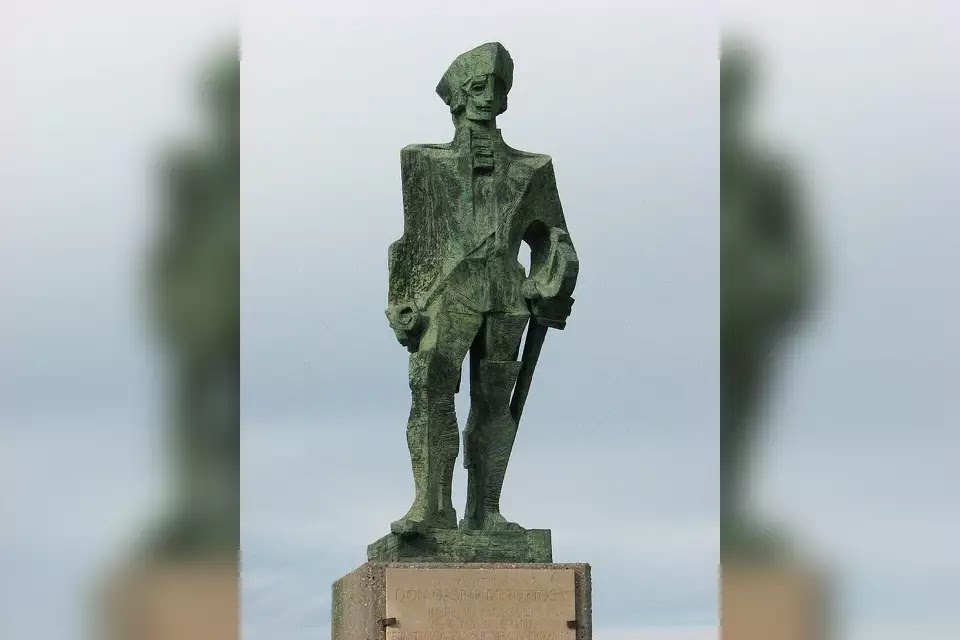
The statue of Spanish military officer Gaspar de Portola, which stood near the Pacifica Community Center for more than 30 years, started drawing attention in the summer of 2020, as discussions about racial justice and the legacies of colonization reached a boiling point across the nation.
In the late 1760s, Portola led a Spanish fleet along the California coast, including by the San Francisco Bay, and is credited with sparking settlements in the area that ultimately displaced Indigenous inhabitants.
Bob n' Renee via Wiki Commons; Illustration via SFGATE
In mid-2020, a petition calling for the statue’s removal — which read, in part, that the “colonialism, racism and patriarchy this statue represents has no place in the City of Pacifica” — gained nearly 5,000 signatures. Meanwhile, other statues of historical figures, including Christopher Columbus, Ulysses S. Grant and Junipero Serra, were being toppled across the Bay Area, either officially or by protesters.
And, even William Penn's statue was to be removed by the National Park Service from Philadelphia this month, but enough people objected so that is uncertain now.

YET William Penn paid the Native Americans for his landgrant of Pennsylvania (granted to him by the King). And he and his followers defended innocent Native Americans from racist-invaders such as the Scotch-Irish who masssacred innocent Native civilians!
Portola's statue’s "confiscation, done without ceremony a little after 9 a.m. on Thursday, was first reported by the Pacifica Tribune."
January 18, 2024
In the Light of the Good, the Just, the Kind,
and the actual facts of history, not the ideological distortions!
Dan Wilcox
Sunday, January 14, 2024
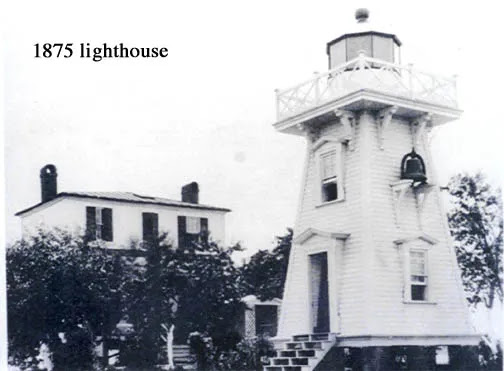
Forgotten Black Leaders of the Past--Edward David Bland, Virginia Legistlator, Jordan Point Lighthouse Keeper, Teacher...
Edward David Bland (1848–1927) 3 Terms in the Virginia House of Delegates, shoemaker, lighthouse keeper, teacher, minister.
His serving as a lighthouse keeper is very unusual, because lighthouse keepers were almost always Caucasian.

 Excerpt from Wikipedia:
"Bland was born into slavery, probably in Dinwiddie County, Virginia, to Frederick Bland and Nancy Yates Bland. After the Civil War, the family moved to Petersburg, Virginia, where Frederick Bland worked as a shoemaker and preacher. Bland learned the shoemaker's trade from his father, and attended a local night school organized by Northerners for African Americans. He married Nancy Jones of Petersburg on December 18, 1872; two years later, they moved to City Point, Virginia, where he worked as a shoemaker. The couple had nine children."
"Bland became involved in local politics in the 1870s. At a mass meeting of black Republicans in 1879, Bland gave a speech advocating an alliance with the Readjuster party led by William Mahone. With the support of the Readjusters, Bland was elected to the Virginia House of Delegates that year, defeating incumbent Robert E. Bland to represent Prince George and Surry Counties. He served on the Committee on Executive Expenditures and the Committee on Schools and Colleges, and was a delegate to the Virginia Republican Party convention in 1880.
"After being re-elected in 1881, he served on the Committee on Agriculture and Mining, the Committee on Claims, and the Committee on Retrenchment and Economy. During that session, black Republicans passed legislation to create a state college and an insane asylum for Virginia's African Americans and increase funding for black public schools. Their success was followed by white backlash; in 1883, Conservatives launched a white supremacy campaign which helped them regain a majority in the Virginia General Assembly.
Bland was nevertheless re-elected that year and served on the Committee on Propositions and Grievances, the Committee on Enrolled Bills, and the Committee on Officers and Offices at the Capitol. After serving his third term, he yielded his seat to Republican William Faulcon but remained active in local politics.
Later years "Bland spent the rest of his life in Prince George County. He worked as a teacher, minister, shoemaker, and keeper of the Jordan Point Lighthouse, near City Point, Virginia. Around 1900, he moved to a farm, where he died of nephritis on February 13, 1927. He was buried at Providence Cemetery (now People's Memorial Cemetery) in Petersburg, Virginia.
"In 2012, Virginia state senator Jennifer McClellan introduced a bill (VA HJR64) to "Recognize and celebrate the outstanding service of the African American men elected to the Virginia General Assembly during Reconstruction, on the occasion of the Sesquicentennial of the Emancipation Proclamation on January 1, 2013." The bill recognized Bland along with Samuel P. Bolling, Daniel M. Norton, and other notable African-American legislators.
"In 1954, the Edward D. Bland Courts housing project in Hopewell, Virginia, was named in his honor."
-- from African-American Leaders during and following the Reconstruction era
Wikipedia
"More than 1,500 African American officeholders served during the Reconstruction era (1865–1877) and in the years after Reconstruction before white supremacy, disenfranchisement, and the Democratic Party fully reasserted control in Southern states."
"Historian Canter Brown Jr. noted that in some states, such as Florida, the highest number of African Americans were elected or appointed to offices after the end of Reconstruction in 1877...until before 1900."
"U.S. Senate
Blanche Bruce – Mississippi 1875–1881
P. B. S. Pinchback – Louisiana 1873, elected but the Senate refused to seat him (also Louisiana Lt. Governor, Louisiana Senate, acting Louisiana Governor, Louisiana Constitutional Convention)
Hiram Rhodes Revels – Mississippi 1870 (also Mississippi Secretary of State)
"U.S. House of Representatives
Main articles: First generation of African-American House members, 1870–1893 and List of African-American United States representatives
Richard H. Cain – South Carolina 1873–1875, 1877–1879 (also South Carolina Senate, House, Constitutional Congress)[2] Henry P. Cheatham – North Carolina 1889–1894
Robert C. De Large – South Carolina 1871–1873 (also South Carolina House, South Carolina Constitutional Convention, and State Land Commissioner)
Robert B. Elliott – South Carolina 1871–1874 (also South Carolina House, South Carolina Attorney General, South Carolina Constitutional Convention, South Carolina Senate, city council)
Jeremiah Haralson – Alabama 1875–1877 (also Alabama Senate and Alabama House)
John Adams Hyman – North Carolina 1875–1877 (also North Carolina Senate and North Carolina Constitutional Convention)[2] John Mercer Langston – Virginia 1890–1891 (also U.S. Minister to Haiti)
Jefferson F. Long – Georgia 1871
John R. Lynch – Mississippi 1873–1877, 1882–1883 (also speaker of the Mississippi House)
John Willis Menard – Louisiana, 1868 elected but not seated
Thomas E. Miller – South Carolina September 24, 1890 – March 3, 1891 (also South Carolina Senate, South Carolina House, and South Carolina Constitutional Convention)
George W. Murray – South Carolina 1893–1897
Charles E. Nash – Louisiana 1875 –1877
James E. O'Hara – North Carolina 1883–1887 (also North Carolina House)
....
Joseph H. Rainey – South Carolina 1870–1879 (also South Carolina Senate and South Carolina Constitutional Convention)
Alonzo J. Ransier – South Carolina 1873–1875 (also South Carolina Lt. Governor and Constitutional Convention)
James T. Rapier – Alabama 1873–1875 (also Alabama Constitutional Convention)
Robert Smalls – South Carolina 1875–1879, 1882–1887 (also South Carolina Senate, South Carolina House, and Constitutional Convention)
Benjamin Sterling Turner – Alabama 1871–1873
Josiah T. Walls – Florida 1871–1876 (also Florida House, Florida Senate, and Florida Constitutional Convention)
George Henry White – North Carolina 1897–1901 (also North Carolina House and North Carolina Senate)[2] Alabama
Between 1868 and 1878, more than 100 African Americans served in the Alabama Legislature.
Senate of Virginia
James W. D. Bland – Prince Edward County 1869 (also Virginia Constitutional Convention)
Cephas L. Davis – Mecklenburg County 1879
John M. Dawson – Charles City, Elizabeth City, James City, Warwick, and York counties 1874–1877
Joseph P. Evans – Petersburg 1874
Nathaniel M. Griggs – Prince Edward County 1887–1890
James R. Jones Mecklenburg County – 1875–1877 and 1881–1883
Isaiah L. Lyons – Surry, York, Elizabeth City, and Warwick counties 1869–1871
William P. Moseley – Goochland County 1869–1871 (also Virginia Constitutional Convention)
Francis "Frank" Moss – Buckingham County 1869–1871 (also Virginia House and Virginia Constitutional Convention)
Daniel M. Norton – James City and York counties 1871–1873 and 1877–1887 (also Virginia Constitutional Convention)
Guy Powell – Nottoway, Lunenburg and Brunswick counties 1875–1878
John Robinson – Cumberland County 1869–1873 (also Virginia Constitutional Convention)
William N. Stevens – Petersburg 1871–1878 and Sussex County 1881 (also Virginia House)
George Teamoh – Norfolk County 1869–1871 (also Virginia Constitutional Convention)
"Virginia House of Delegates
William H. Andrews – Surry County 1869–1871 (also Virginia Constitutional Convention)[126] William H. Ash – Amelia and Nottoway counties 1887 Briton Baskerville, Jr. – Mecklenburg County 1887[126] Edward David Bland – Prince George and Surry counties 1879–1884 Phillip S. Bolling – Cumberland and Buckingham counties; elected in 1883 but was ruled ineligible[126] Samuel P. Bolling – Cumberland and Buckingham counties 1883–1887[126] Tazewell Branch – Prince Edward County 1874–1877 William H. Brisby – New Kent County 1869–1871[126] Goodman Brown – Prince George and Surry counties 1887[126] Peter J. Carter – Northampton County 1871–1878 Matt Clark – Halifax County 1874[126] George William Cole – Essex County 1879[126] Asa Coleman – Halifax County 1871–1873 Johnson Collins – Brunswick County 1879 Aaron Commodore – Essex County 1875–1877 Miles Connor – Norfolk County 1875–1877[126] Henry Cox – Chesterfield and Powhatan counties 1869–1877 Isaac Dabbs – Charlotte County 1875–1877 McDowell Delaney – Amelia County 1871–1873[126] Amos Andre Dodson – Mecklenburg County 1883 Shed Dungee – Cumberland and Buckingham counties 1879–1882[126] Jesse Dungey – King William County 1871–1873[126] Isaac Edmundson – Halifax County 1869–1871[126] Ballard T. Edwards – Chesterfield and Powhatan counties 1869–1871[126] Joseph P. Evans – Petersburg 1871–1873 (also Virginia Senate) William D. Evans – Prince Edward County 1877–1880[126] William W. Evans – Petersburg 1887[126] William Faulcon – Prince George and Surry counties 1885–1887[126] George Fayerman – Petersburg 1869–1871[126] James A. Fields – Elizabeth City and James City counties 1889 Alexander Q. Franklin – Charles City County 1889[126] John Freeman – Halifax County 1871[126] William Gilliam – Prince George County 1871–1875 James P. Goodwyn – Petersburg 1874[126] Armistead Green – Petersburg 1881–1884[126] Robert G. Griffin – James City and York counties 1883[126] Nathaniel M. Griggs – Prince Edward County 1883 (also Virginia Senate) Ross Hamilton – Mecklenburg County 1869–1882, 1889 Alfred W. Harris – Petersburg 1881–1888 H. Clay Harris – Halifax County 1874–1875[126] Henry C. Hill – Amelia County 1874–1875[126] Charles E. Hodges – Norfolk County 1869–1871[126] John Q. Hodges – Princess Anne County 1869–1871[126] Henry Johnson – Amelia and Nottoway counties 1889–1890[126] Benjamin Jones – Charles City County 1869–1871[126] James R. Jones – Mecklenburg County 1885–1887 (also Virginia Senate) Peter K. Jones – Greensville County 1869–1877 (also Virginia Constitutional Convention) Robert G. W. Jones – Charles City County 1869–1871[126] Rufus S. Jones – Elizabeth City and Warwick counties 1871–1875[127] William H. Jordan – Petersburg 1885–1887[126] Alexander G. Lee – Elizabeth City and Warwick 1877–1879[128] Neverson Lewis – Chesterfield and Powhatan counties 1879–1882[126] James F. Lipscomb – Cumberland County 1869–1877[126] William P. Lucas – Louisa County 1874–1875[126] John W. B. Matthews – Petersburg 1871–1873[126] J. B. Miller Jr. – Goochland County 1869–1871[126] Peter G. Morgan – Petersburg 1869–1871 (also Virginia Constitutional Convention and city council) Francis "Frank" Moss – Buckingham County 1874 (also Virginia Senate and Virginia Constitutional Convention) Armistead S. Nickens – Lancaster County 1871–1875 Frederick S. Norton – James City and Williamsburg counties 1869–1871[126] Robert Norton – Elizabeth City and York counties 1869–1872, 1881 Alexander Owen – Halifax County 1869–1871[126] Littleton Owens – Princess Anne County 1879–1882[126] Richard G. L. Paige – Norfolk County 1871–1875, 1879–1882 William H. Patterson – Charles City County 1871–1873 Caesar Perkins – Buckingham County 1869–1871, 1878–1888, 1887 Fountain M. Perkins – Louisa County 1869–1871[129] John W. Poindexter – Louisa County 1875–1877[126] Joseph B. Pope – Southampton County 1879[126] Guy Powell – Brunswick County 1881 (also Virginia Senate) William H. Ragsdale – Charlotte County 1869–1871[126] John H. Robinson – Elizabeth City and James City, and York counties 1887[126] R. D. Ruffin – Dinwiddie County 1875[126] Archer Scott – Amelia and Nottoway counties 1875–1877, 1879–1884[126] George L. Seaton – Alexandria County 1869–1871[126] Dabney Smith – Charlotte County 1881[126] Henry D. Smith – Greensville County 18790[126] Robert M. Smith – Elizabeth City and Warwick counties 1875–1877[126] William N. Stevens – Sussex County 1869–1879 (also Virginia Senate) John B. Syphax – Arlington County 1874 Henry Turpin – Goochland County 1871 John Watson – Mecklenburg County 1869 (also Virginia Constitutional Convention) Maclin C. Wheeler – Brunswick County 1883[130] Robert H. Whittaker – Brunswick County 1875–1877 Ellis Wilson – Dinwiddie County 1869–1871[126] Virginia Constitutional Convention William H. Andrews – Surry County 1867–1868 (also Virginia House)[127] James D. Barrett – Fluvanna County 1867–1868[127] Thomas Bayne – Norfolk 1867–1868 James W. D. Bland – Prince Edward County 1867–1868 (also Virginia Senate)[127] William Breedlove – Essex County 1867–1868[127] John Brown – Southampton County 1867–1868[127] David Canada – Halifax County 1867–1868[127] James B. Carter – Chesterfield and Powhatan counties 1867–1868[127] Joseph Cox – Richmond 1867–1868[127] John Wesley Cromwell – Clerk of the Virginia Constitutional Convention 1867 Willis Augustus Hodges – Princess Anne County 1867–1868 Joseph R. Holmes – Charlotte and Halifax counties 1867–1868 Peter K. Jones – Greensville and Sussex counties 1867–1868 (also Virginia House) Samuel F. Kelso – Campbell County 1867–1868[127] Lewis Lindsey – Richmond 1867–1868[127] Peter G. Morgan – Petersburg 1867–1868 (also Virginia House and city council) William P. Moseley – Goochland County 1867–1868 (also Virginia Senate) Francis "Frank" Moss – Buckingham County 1867–1868 (also Virginia House and Virginia Senate) Edward Nelson – Charlotte County 1867–1868[127] Daniel M. Norton – Yorktown 1867–1868 (also Virginia Senate) John Robinson – Cumberland County 1867–1868 (also Virginia Senate) James T. S. Taylor – Albemarle County 1867–1868[127] George Teamoh – Portsmouth 1867–1868 (also Virginia Senate) Burwell Toler – Hanover County 1867–1868 John Watson – Mecklenburg County 1867–1868 (also Virginia House)[127] Federal offices P. H. A. Braxton – collector at the United States Custom House in Westmoreland County (also constable) William Breedlow or Breedlove – postmaster of Tappahannock March 3, 1870 – March 13, 1871[11] Robert H. Cauthorn – postmaster of Dunnsville September 21, 1897 – October 24, 1901[11] James H. Cunningham – postmaster of Manchester September 20, 1869 – August 1, 1872[11] William Henry Hayes – postmaster of Boydton June 17, 1889 – March 25, 1893[11] John T. Jackson Sr. – postmaster of Alanthus March 23, 1891 – January 31, 1940[11] William H. Johnson – postmaster of Baynesville November 29, 1893 – October 23, 1897[11] Wade H. Mason – postmaster of Bluestone March 13, 1890 – November 14, 1902[11] Isaac Morton – postmaster of Port Royal March 2, 1870 – October 29, 1872[11] Daniel A. Twyman – postmaster of Junta August 12, 1898 – October 23, 1898
Local offices
P. H. A. Braxton – King William County constable 1872 (also U.S. Custom House collector)
Peter G. Morgan – Petersburg city council (also Virginia House and Virginia Constitutional Convention)
V. Cook Nickens – constable of Leesburg Magisterial District 1873
...........
"Further reading
Bailey, Richard. Neither Carpetbaggers Nor Scalawags: Black Officeholders During the Reconstruction of Alabama, 1867–1878.
Montgomery: Richard Bailey Publishers, 1995. ISBN 978-0962721809
Brown, Jr., Canter. Florida's Black Public Officials, 1867–1924. Tuscaloosa: University of Alabama Press, 1998. ISBN 9780817309169 Gibbs, Mifflin Wistar. Shadow and Light: An Autobiography. Lincoln: University of Nebraska Press, 1995. ISBN 978-0-8032-7050-3 Southern Black Leaders of the Reconstruction Era. Howard N. Rabinowitz, editor. University of Illinois Press, 1982. ISBN 978-0252009723"

"Bland was born into slavery, probably in Dinwiddie County, Virginia, to Frederick Bland and Nancy Yates Bland. After the Civil War, the family moved to Petersburg, Virginia, where Frederick Bland worked as a shoemaker and preacher. Bland learned the shoemaker's trade from his father, and attended a local night school organized by Northerners for African Americans. He married Nancy Jones of Petersburg on December 18, 1872; two years later, they moved to City Point, Virginia, where he worked as a shoemaker. The couple had nine children."
"Bland became involved in local politics in the 1870s. At a mass meeting of black Republicans in 1879, Bland gave a speech advocating an alliance with the Readjuster party led by William Mahone. With the support of the Readjusters, Bland was elected to the Virginia House of Delegates that year, defeating incumbent Robert E. Bland to represent Prince George and Surry Counties. He served on the Committee on Executive Expenditures and the Committee on Schools and Colleges, and was a delegate to the Virginia Republican Party convention in 1880.
"After being re-elected in 1881, he served on the Committee on Agriculture and Mining, the Committee on Claims, and the Committee on Retrenchment and Economy. During that session, black Republicans passed legislation to create a state college and an insane asylum for Virginia's African Americans and increase funding for black public schools. Their success was followed by white backlash; in 1883, Conservatives launched a white supremacy campaign which helped them regain a majority in the Virginia General Assembly.
Bland was nevertheless re-elected that year and served on the Committee on Propositions and Grievances, the Committee on Enrolled Bills, and the Committee on Officers and Offices at the Capitol. After serving his third term, he yielded his seat to Republican William Faulcon but remained active in local politics.
Later years "Bland spent the rest of his life in Prince George County. He worked as a teacher, minister, shoemaker, and keeper of the Jordan Point Lighthouse, near City Point, Virginia. Around 1900, he moved to a farm, where he died of nephritis on February 13, 1927. He was buried at Providence Cemetery (now People's Memorial Cemetery) in Petersburg, Virginia.
"In 2012, Virginia state senator Jennifer McClellan introduced a bill (VA HJR64) to "Recognize and celebrate the outstanding service of the African American men elected to the Virginia General Assembly during Reconstruction, on the occasion of the Sesquicentennial of the Emancipation Proclamation on January 1, 2013." The bill recognized Bland along with Samuel P. Bolling, Daniel M. Norton, and other notable African-American legislators.
"In 1954, the Edward D. Bland Courts housing project in Hopewell, Virginia, was named in his honor."
-- from African-American Leaders during and following the Reconstruction era
Wikipedia
"More than 1,500 African American officeholders served during the Reconstruction era (1865–1877) and in the years after Reconstruction before white supremacy, disenfranchisement, and the Democratic Party fully reasserted control in Southern states."
"Historian Canter Brown Jr. noted that in some states, such as Florida, the highest number of African Americans were elected or appointed to offices after the end of Reconstruction in 1877...until before 1900."
"U.S. Senate
Blanche Bruce – Mississippi 1875–1881
P. B. S. Pinchback – Louisiana 1873, elected but the Senate refused to seat him (also Louisiana Lt. Governor, Louisiana Senate, acting Louisiana Governor, Louisiana Constitutional Convention)
Hiram Rhodes Revels – Mississippi 1870 (also Mississippi Secretary of State)
"U.S. House of Representatives
Main articles: First generation of African-American House members, 1870–1893 and List of African-American United States representatives
Richard H. Cain – South Carolina 1873–1875, 1877–1879 (also South Carolina Senate, House, Constitutional Congress)[2] Henry P. Cheatham – North Carolina 1889–1894
Robert C. De Large – South Carolina 1871–1873 (also South Carolina House, South Carolina Constitutional Convention, and State Land Commissioner)
Robert B. Elliott – South Carolina 1871–1874 (also South Carolina House, South Carolina Attorney General, South Carolina Constitutional Convention, South Carolina Senate, city council)
Jeremiah Haralson – Alabama 1875–1877 (also Alabama Senate and Alabama House)
John Adams Hyman – North Carolina 1875–1877 (also North Carolina Senate and North Carolina Constitutional Convention)[2] John Mercer Langston – Virginia 1890–1891 (also U.S. Minister to Haiti)
Jefferson F. Long – Georgia 1871
John R. Lynch – Mississippi 1873–1877, 1882–1883 (also speaker of the Mississippi House)
John Willis Menard – Louisiana, 1868 elected but not seated
Thomas E. Miller – South Carolina September 24, 1890 – March 3, 1891 (also South Carolina Senate, South Carolina House, and South Carolina Constitutional Convention)
George W. Murray – South Carolina 1893–1897
Charles E. Nash – Louisiana 1875 –1877
James E. O'Hara – North Carolina 1883–1887 (also North Carolina House)
....
Joseph H. Rainey – South Carolina 1870–1879 (also South Carolina Senate and South Carolina Constitutional Convention)
Alonzo J. Ransier – South Carolina 1873–1875 (also South Carolina Lt. Governor and Constitutional Convention)
James T. Rapier – Alabama 1873–1875 (also Alabama Constitutional Convention)
Robert Smalls – South Carolina 1875–1879, 1882–1887 (also South Carolina Senate, South Carolina House, and Constitutional Convention)
Benjamin Sterling Turner – Alabama 1871–1873
Josiah T. Walls – Florida 1871–1876 (also Florida House, Florida Senate, and Florida Constitutional Convention)
George Henry White – North Carolina 1897–1901 (also North Carolina House and North Carolina Senate)[2] Alabama
Between 1868 and 1878, more than 100 African Americans served in the Alabama Legislature.
Senate of Virginia
James W. D. Bland – Prince Edward County 1869 (also Virginia Constitutional Convention)
Cephas L. Davis – Mecklenburg County 1879
John M. Dawson – Charles City, Elizabeth City, James City, Warwick, and York counties 1874–1877
Joseph P. Evans – Petersburg 1874
Nathaniel M. Griggs – Prince Edward County 1887–1890
James R. Jones Mecklenburg County – 1875–1877 and 1881–1883
Isaiah L. Lyons – Surry, York, Elizabeth City, and Warwick counties 1869–1871
William P. Moseley – Goochland County 1869–1871 (also Virginia Constitutional Convention)
Francis "Frank" Moss – Buckingham County 1869–1871 (also Virginia House and Virginia Constitutional Convention)
Daniel M. Norton – James City and York counties 1871–1873 and 1877–1887 (also Virginia Constitutional Convention)
Guy Powell – Nottoway, Lunenburg and Brunswick counties 1875–1878
John Robinson – Cumberland County 1869–1873 (also Virginia Constitutional Convention)
William N. Stevens – Petersburg 1871–1878 and Sussex County 1881 (also Virginia House)
George Teamoh – Norfolk County 1869–1871 (also Virginia Constitutional Convention)
"Virginia House of Delegates
William H. Andrews – Surry County 1869–1871 (also Virginia Constitutional Convention)[126] William H. Ash – Amelia and Nottoway counties 1887 Briton Baskerville, Jr. – Mecklenburg County 1887[126] Edward David Bland – Prince George and Surry counties 1879–1884 Phillip S. Bolling – Cumberland and Buckingham counties; elected in 1883 but was ruled ineligible[126] Samuel P. Bolling – Cumberland and Buckingham counties 1883–1887[126] Tazewell Branch – Prince Edward County 1874–1877 William H. Brisby – New Kent County 1869–1871[126] Goodman Brown – Prince George and Surry counties 1887[126] Peter J. Carter – Northampton County 1871–1878 Matt Clark – Halifax County 1874[126] George William Cole – Essex County 1879[126] Asa Coleman – Halifax County 1871–1873 Johnson Collins – Brunswick County 1879 Aaron Commodore – Essex County 1875–1877 Miles Connor – Norfolk County 1875–1877[126] Henry Cox – Chesterfield and Powhatan counties 1869–1877 Isaac Dabbs – Charlotte County 1875–1877 McDowell Delaney – Amelia County 1871–1873[126] Amos Andre Dodson – Mecklenburg County 1883 Shed Dungee – Cumberland and Buckingham counties 1879–1882[126] Jesse Dungey – King William County 1871–1873[126] Isaac Edmundson – Halifax County 1869–1871[126] Ballard T. Edwards – Chesterfield and Powhatan counties 1869–1871[126] Joseph P. Evans – Petersburg 1871–1873 (also Virginia Senate) William D. Evans – Prince Edward County 1877–1880[126] William W. Evans – Petersburg 1887[126] William Faulcon – Prince George and Surry counties 1885–1887[126] George Fayerman – Petersburg 1869–1871[126] James A. Fields – Elizabeth City and James City counties 1889 Alexander Q. Franklin – Charles City County 1889[126] John Freeman – Halifax County 1871[126] William Gilliam – Prince George County 1871–1875 James P. Goodwyn – Petersburg 1874[126] Armistead Green – Petersburg 1881–1884[126] Robert G. Griffin – James City and York counties 1883[126] Nathaniel M. Griggs – Prince Edward County 1883 (also Virginia Senate) Ross Hamilton – Mecklenburg County 1869–1882, 1889 Alfred W. Harris – Petersburg 1881–1888 H. Clay Harris – Halifax County 1874–1875[126] Henry C. Hill – Amelia County 1874–1875[126] Charles E. Hodges – Norfolk County 1869–1871[126] John Q. Hodges – Princess Anne County 1869–1871[126] Henry Johnson – Amelia and Nottoway counties 1889–1890[126] Benjamin Jones – Charles City County 1869–1871[126] James R. Jones – Mecklenburg County 1885–1887 (also Virginia Senate) Peter K. Jones – Greensville County 1869–1877 (also Virginia Constitutional Convention) Robert G. W. Jones – Charles City County 1869–1871[126] Rufus S. Jones – Elizabeth City and Warwick counties 1871–1875[127] William H. Jordan – Petersburg 1885–1887[126] Alexander G. Lee – Elizabeth City and Warwick 1877–1879[128] Neverson Lewis – Chesterfield and Powhatan counties 1879–1882[126] James F. Lipscomb – Cumberland County 1869–1877[126] William P. Lucas – Louisa County 1874–1875[126] John W. B. Matthews – Petersburg 1871–1873[126] J. B. Miller Jr. – Goochland County 1869–1871[126] Peter G. Morgan – Petersburg 1869–1871 (also Virginia Constitutional Convention and city council) Francis "Frank" Moss – Buckingham County 1874 (also Virginia Senate and Virginia Constitutional Convention) Armistead S. Nickens – Lancaster County 1871–1875 Frederick S. Norton – James City and Williamsburg counties 1869–1871[126] Robert Norton – Elizabeth City and York counties 1869–1872, 1881 Alexander Owen – Halifax County 1869–1871[126] Littleton Owens – Princess Anne County 1879–1882[126] Richard G. L. Paige – Norfolk County 1871–1875, 1879–1882 William H. Patterson – Charles City County 1871–1873 Caesar Perkins – Buckingham County 1869–1871, 1878–1888, 1887 Fountain M. Perkins – Louisa County 1869–1871[129] John W. Poindexter – Louisa County 1875–1877[126] Joseph B. Pope – Southampton County 1879[126] Guy Powell – Brunswick County 1881 (also Virginia Senate) William H. Ragsdale – Charlotte County 1869–1871[126] John H. Robinson – Elizabeth City and James City, and York counties 1887[126] R. D. Ruffin – Dinwiddie County 1875[126] Archer Scott – Amelia and Nottoway counties 1875–1877, 1879–1884[126] George L. Seaton – Alexandria County 1869–1871[126] Dabney Smith – Charlotte County 1881[126] Henry D. Smith – Greensville County 18790[126] Robert M. Smith – Elizabeth City and Warwick counties 1875–1877[126] William N. Stevens – Sussex County 1869–1879 (also Virginia Senate) John B. Syphax – Arlington County 1874 Henry Turpin – Goochland County 1871 John Watson – Mecklenburg County 1869 (also Virginia Constitutional Convention) Maclin C. Wheeler – Brunswick County 1883[130] Robert H. Whittaker – Brunswick County 1875–1877 Ellis Wilson – Dinwiddie County 1869–1871[126] Virginia Constitutional Convention William H. Andrews – Surry County 1867–1868 (also Virginia House)[127] James D. Barrett – Fluvanna County 1867–1868[127] Thomas Bayne – Norfolk 1867–1868 James W. D. Bland – Prince Edward County 1867–1868 (also Virginia Senate)[127] William Breedlove – Essex County 1867–1868[127] John Brown – Southampton County 1867–1868[127] David Canada – Halifax County 1867–1868[127] James B. Carter – Chesterfield and Powhatan counties 1867–1868[127] Joseph Cox – Richmond 1867–1868[127] John Wesley Cromwell – Clerk of the Virginia Constitutional Convention 1867 Willis Augustus Hodges – Princess Anne County 1867–1868 Joseph R. Holmes – Charlotte and Halifax counties 1867–1868 Peter K. Jones – Greensville and Sussex counties 1867–1868 (also Virginia House) Samuel F. Kelso – Campbell County 1867–1868[127] Lewis Lindsey – Richmond 1867–1868[127] Peter G. Morgan – Petersburg 1867–1868 (also Virginia House and city council) William P. Moseley – Goochland County 1867–1868 (also Virginia Senate) Francis "Frank" Moss – Buckingham County 1867–1868 (also Virginia House and Virginia Senate) Edward Nelson – Charlotte County 1867–1868[127] Daniel M. Norton – Yorktown 1867–1868 (also Virginia Senate) John Robinson – Cumberland County 1867–1868 (also Virginia Senate) James T. S. Taylor – Albemarle County 1867–1868[127] George Teamoh – Portsmouth 1867–1868 (also Virginia Senate) Burwell Toler – Hanover County 1867–1868 John Watson – Mecklenburg County 1867–1868 (also Virginia House)[127] Federal offices P. H. A. Braxton – collector at the United States Custom House in Westmoreland County (also constable) William Breedlow or Breedlove – postmaster of Tappahannock March 3, 1870 – March 13, 1871[11] Robert H. Cauthorn – postmaster of Dunnsville September 21, 1897 – October 24, 1901[11] James H. Cunningham – postmaster of Manchester September 20, 1869 – August 1, 1872[11] William Henry Hayes – postmaster of Boydton June 17, 1889 – March 25, 1893[11] John T. Jackson Sr. – postmaster of Alanthus March 23, 1891 – January 31, 1940[11] William H. Johnson – postmaster of Baynesville November 29, 1893 – October 23, 1897[11] Wade H. Mason – postmaster of Bluestone March 13, 1890 – November 14, 1902[11] Isaac Morton – postmaster of Port Royal March 2, 1870 – October 29, 1872[11] Daniel A. Twyman – postmaster of Junta August 12, 1898 – October 23, 1898
Local offices
P. H. A. Braxton – King William County constable 1872 (also U.S. Custom House collector)
Peter G. Morgan – Petersburg city council (also Virginia House and Virginia Constitutional Convention)
V. Cook Nickens – constable of Leesburg Magisterial District 1873
...........
"Further reading
Bailey, Richard. Neither Carpetbaggers Nor Scalawags: Black Officeholders During the Reconstruction of Alabama, 1867–1878.
Montgomery: Richard Bailey Publishers, 1995. ISBN 978-0962721809
Brown, Jr., Canter. Florida's Black Public Officials, 1867–1924. Tuscaloosa: University of Alabama Press, 1998. ISBN 9780817309169 Gibbs, Mifflin Wistar. Shadow and Light: An Autobiography. Lincoln: University of Nebraska Press, 1995. ISBN 978-0-8032-7050-3 Southern Black Leaders of the Reconstruction Era. Howard N. Rabinowitz, editor. University of Illinois Press, 1982. ISBN 978-0252009723"
Subscribe to:
Posts (Atom)